Materials and care
Three timbers, one finish, no lacquer
What each timber does over time, and the twenty minutes a year that keeps it looking like it did on the first day.
What we cut
The timbers
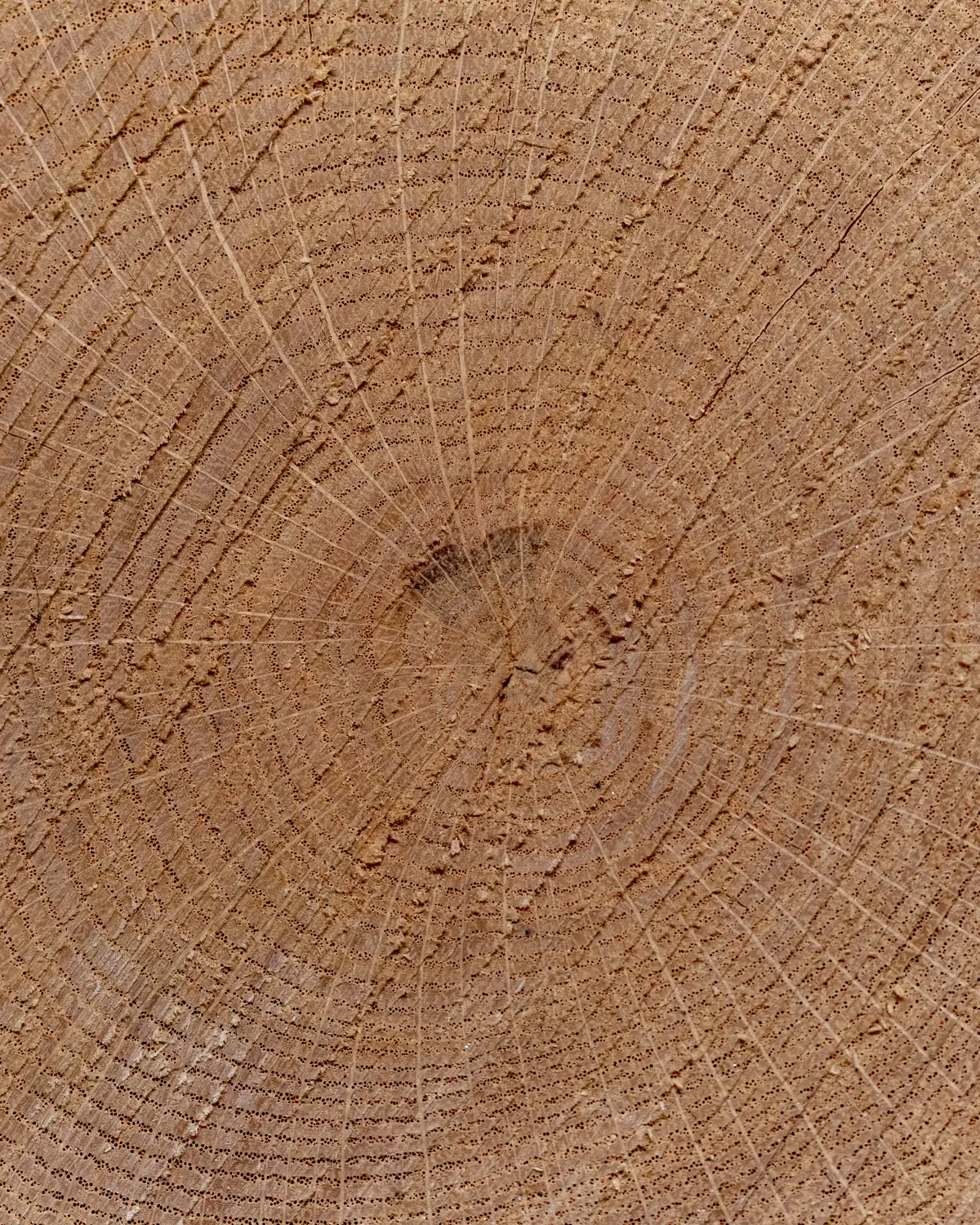
European oak
Pale, hard, and the one that will still look right in thirty years. It darkens slightly and evenly.
American walnut
Darker, with more figure. It lightens in sunlight rather than darkening, which surprises people.
Blackened oak
Oak, ebonised with an iron solution that reacts with the tannin in the timber rather than sitting on top of it as a paint would.
The finish
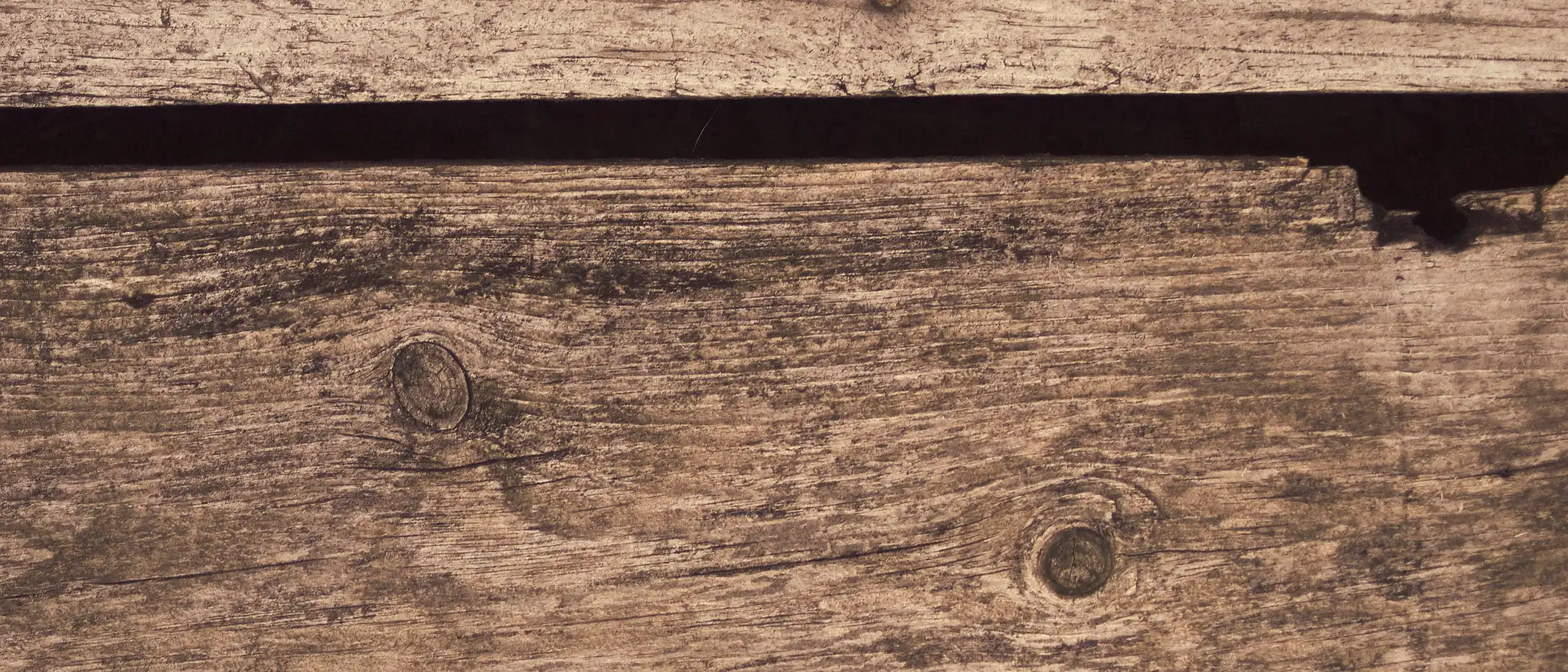
Everything leaves here under hardwax oil: a penetrating finish that sits in the timber rather than on it. It is less waterproof than lacquer and infinitely easier to repair, because a scratch is sanded and re-oiled in an afternoon instead of being sent back to a sprayer.
Care
Looking after it
Every day
A dry cloth. Water rings lift with a damp one if you get to them the same day.
Twice a year
A coat of hardwax oil on the top, rubbed in and wiped off. Twenty minutes.
Marks
Sand along the grain with 240 grit and re-oil the area. It will blend within a month.
Heat
Use a mat. Hardwax oil is not lacquer and a hot pan will leave a pale ring.
Humidity
Solid timber moves. A few millimetres across a season is the piece working, not failing.
What solid timber does
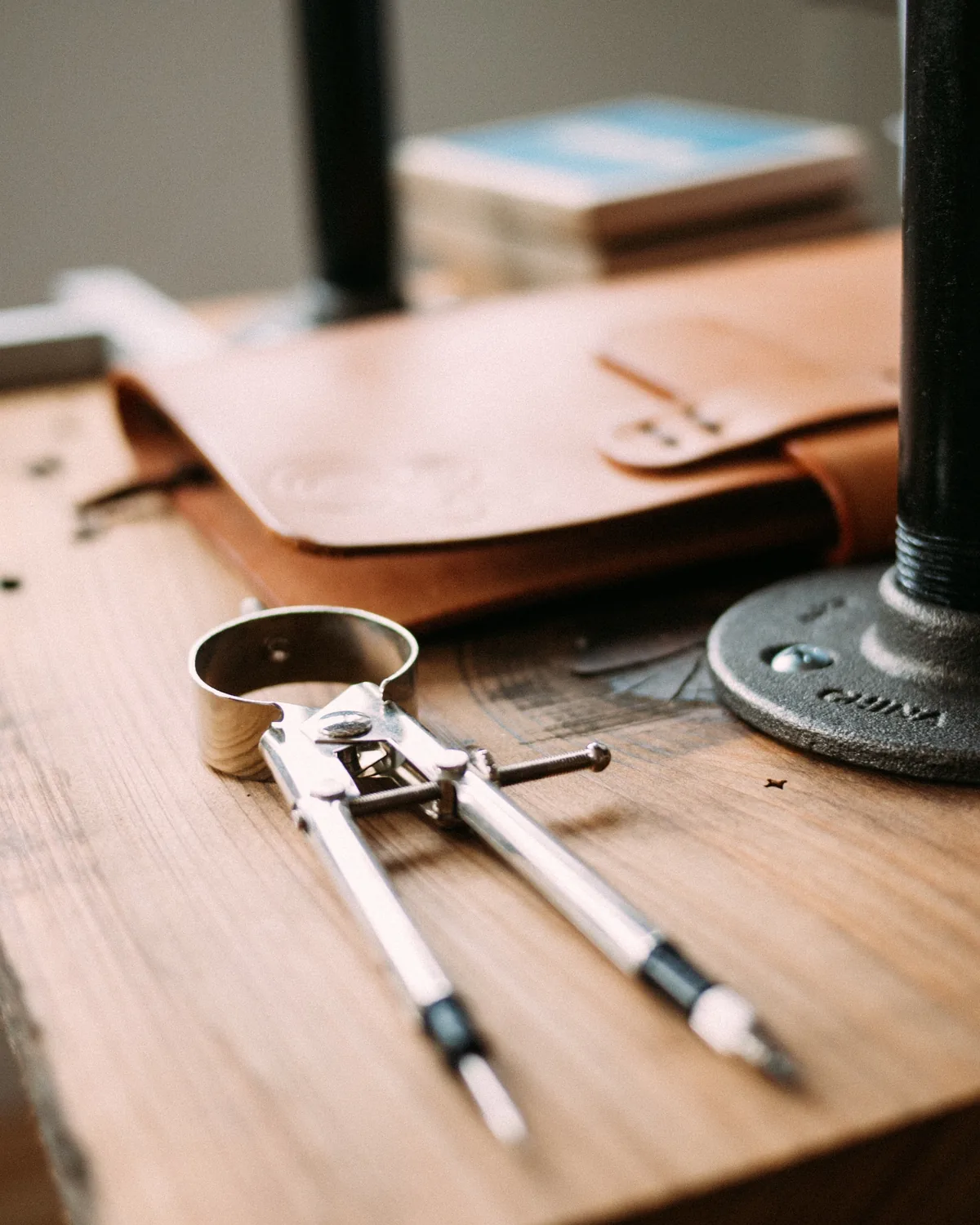
It moves. A table top is a little wider in a damp August than in a dry February, which is why the tops here have breadboard ends and the panels sit in grooves rather than being glued down. Movement is the piece working. A split is not, and that is what the guarantee is for.
- A few millimetres of seasonal movement across a top is normal
- Oak darkens slightly and evenly; walnut lightens in sunlight
- Ten years on every joint, for as long as you own the piece