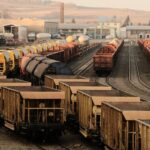
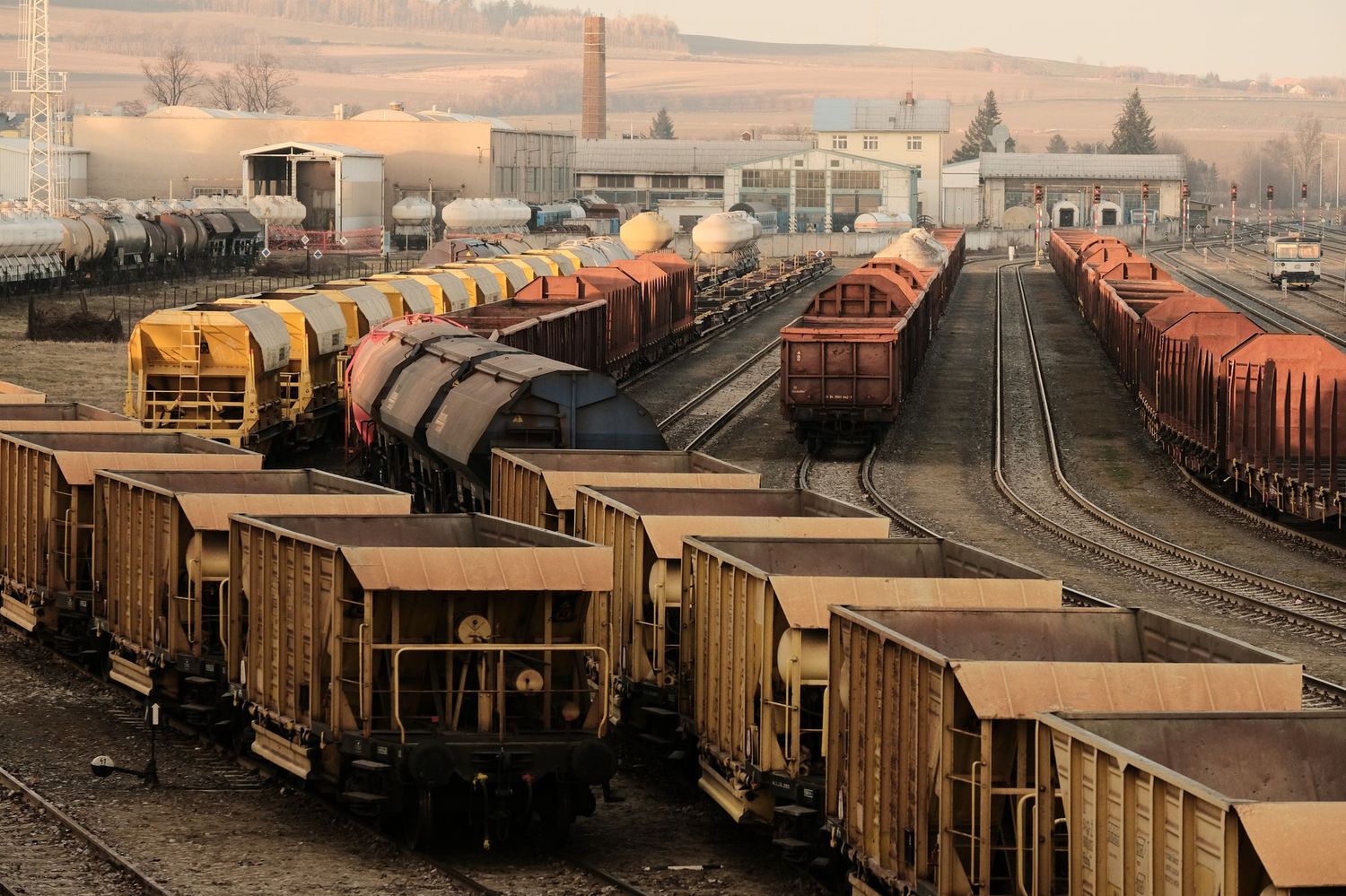
Since the spring, most of our full loads to northern Italy have crossed the Alps on a train. The trailer is lifted onto a rail wagon at the terminal, travels unaccompanied with its refrigeration unit running, and is collected by one of our drivers on the other side.
What changes for the load
Very little. The transit time is the same as by road, because the train does not stop for drivers' rest breaks, and the fridge unit reports its temperature to our desk throughout.
What changes for the emissions
The rail leg cuts the carbon dioxide of the run by around two thirds, and we can show each client the figures for their own loads. It also takes our drivers off the mountain passes in winter, which they have not complained about.